
Last Updated: November 10, 2026
Quick Summary
Most landlords handle recurring tree pruning on their rental property, but your lease decides who pays and who schedules the work. A yearly inspection of every tree near a structure, plus a check after windstorms, keeps branches clear of roofs, power lines, and walkways.
- Check your lease first, since it sets who pays for and schedules tree work.
- Schedule a yearly inspection for every tree near a structure.
- Add a post-storm check after severe wind events.
- Book a tree risk assessment when a tree looks leaning, cracked, or diseased.
Table of Contents
- Who Is Responsible for Tree Trimming: Landlord or Tenant?
- Building a Rental Property Tree Maintenance Schedule
- Scheduling Your Next Pruning Visit with Elite Tree Care
- Frequently Asked Questions
Who Is Responsible for Tree Trimming: Landlord or Tenant?
Most landlords are responsible for tree trimming on their rental property, but the answer depends on your lease and local rules. Recurring tree pruning keeps branches away from roofs, power lines, and walkways. If you are unsure whether a tree on the property is dangerous, see how to check tree danger signs before deciding who should act. Check your lease first, because it sets who pays and who schedules the work (Manufactured/ Mobile Home Landlord-Tenant Act).
Building a Rental Property Tree Maintenance Schedule
A recurring tree pruning plan works best when it follows the seasons and the condition of each tree. Schedule a yearly inspection for every tree near a structure, and add a check after windstorms. Routine trimming and general upkeep are covered by Elite Tree Care’s tree maintenance services. A tree pruning service can address overhanging branches. Add a tree risk assessment to your schedule when a tree looks leaning, cracked, or diseased.
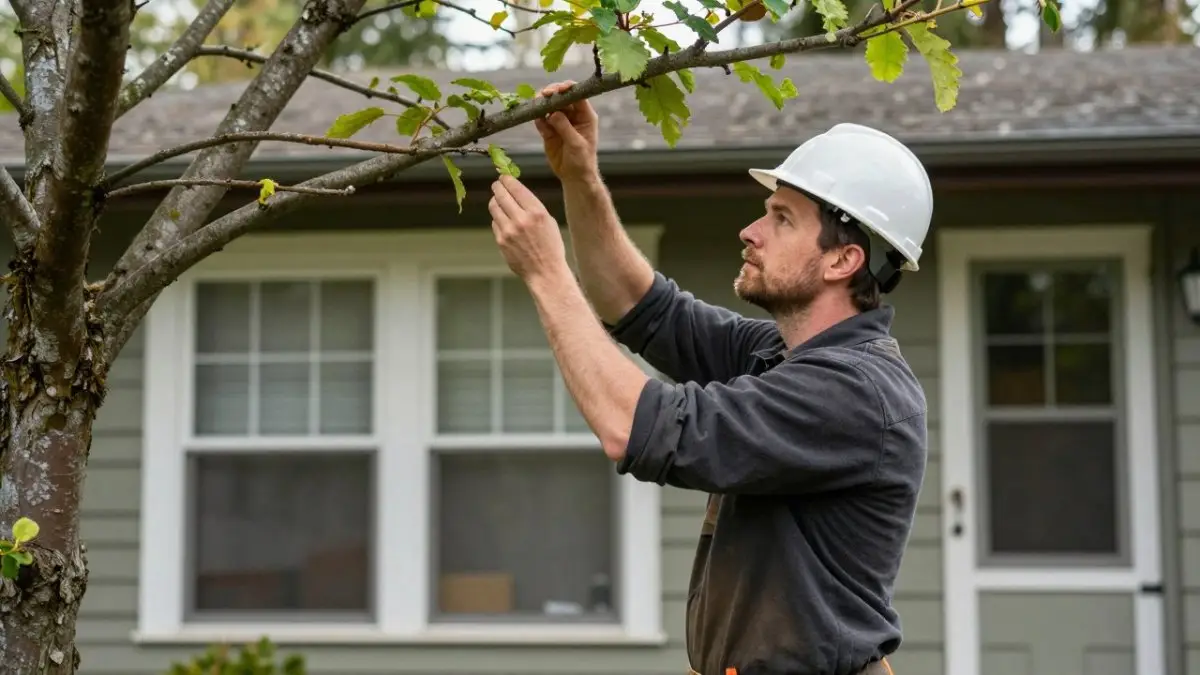
A recurring pruning plan depends on how often each service is needed, as outlined below.
| Task | Frequency | Trigger |
|---|---|---|
| Tree inspection | Yearly | Every tree near a structure |
| Post-storm check | After windstorms | Severe wind events |
| Routine trimming | Seasonal | Tree condition |
| Tree risk assessment | As needed | Leaning, cracked, or diseased tree |
Scheduling Your Next Pruning Visit with Elite Tree Care
Ready to set up recurring work? Request a free estimate and we will review your trees and your lease terms. Elite Tree Care serves Bothell and nearby communities across Snohomish and King Counties.
Keeping trees trimmed on a schedule protects your tenants, your roof, and your property value. Elite Tree Care, based in Bothell, WA, can set up recurring pruning around your rental calendar.
Frequently Asked Questions
Who is responsible for trimming trees on a rental property?
Responsibility usually depends on the lease. Many leases make the landlord responsible for exterior grounds, including trees, while some assign routine yard care to the tenant. Check the maintenance clause in the lease. If the lease is silent, the landlord typically handles pruning that protects the structure and neighboring property, especially when branches threaten roofs, power lines or walkways. Put the division of duties in writing so both parties know who calls the arborist.
How often should trees at a rental property be inspected and pruned?
Schedule a yearly inspection and add a visit after major storms or heavy wind. Trees with dead limbs or a history of storm damage may need closer monitoring. A recurring schedule with a qualified contractor reduces the chance that an emergency limb failure catches the property unprepared.
Can a tenant prune trees at a rental property without the landlord’s permission?
No, tenants should not prune trees on a rental property without the owner’s permission. Unauthorized cutting can damage tree health, create safety hazards and may violate the lease. A tenant who sees a dead or hanging branch should report it to the landlord in writing, with photos if possible. The landlord can then arrange inspection and pruning by a qualified professional.
